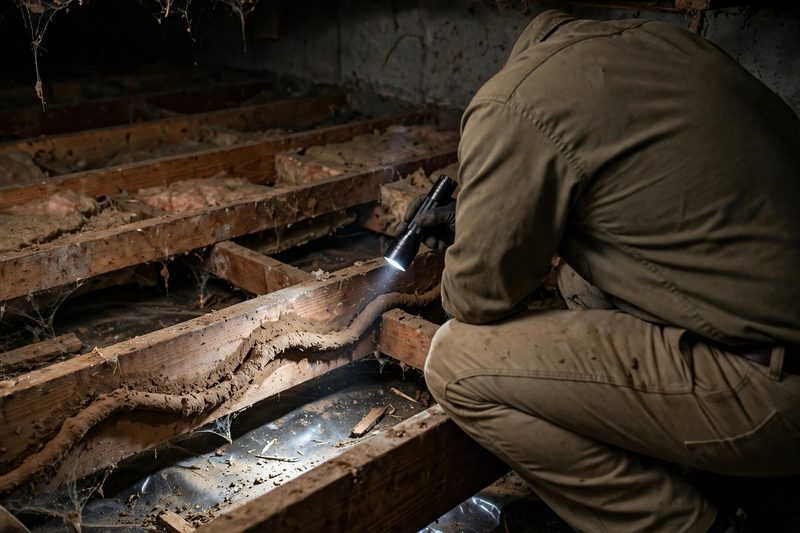
Termite inspection
A look at the foundation, the crawl space or attic, and the trim and framing where termites feed and travel.
Shed wings on a window sill. Mud tubes running up the foundation. Trim that sounds hollow when you knock on it. Call and describe what you found, and talk with a termite control provider in your area.
Call Now (844) 690-4306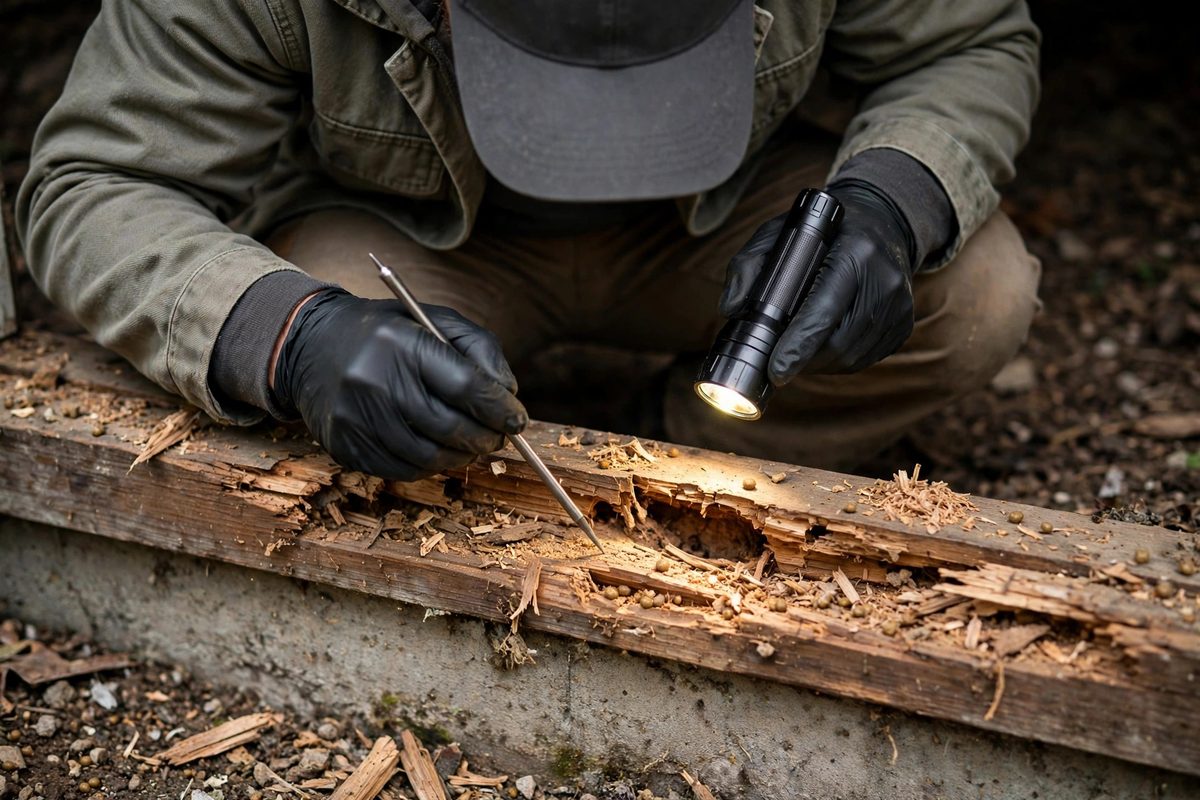
No obligation to book
Ask about pricing before you schedule
Independent local providers
Houston, Phoenix and Tampa Bay
Termite work is its own visit, separate from general pest control. It starts with an inspection of the places termites actually use.
A look at the foundation, the crawl space or attic, and the trim and framing where termites feed and travel.
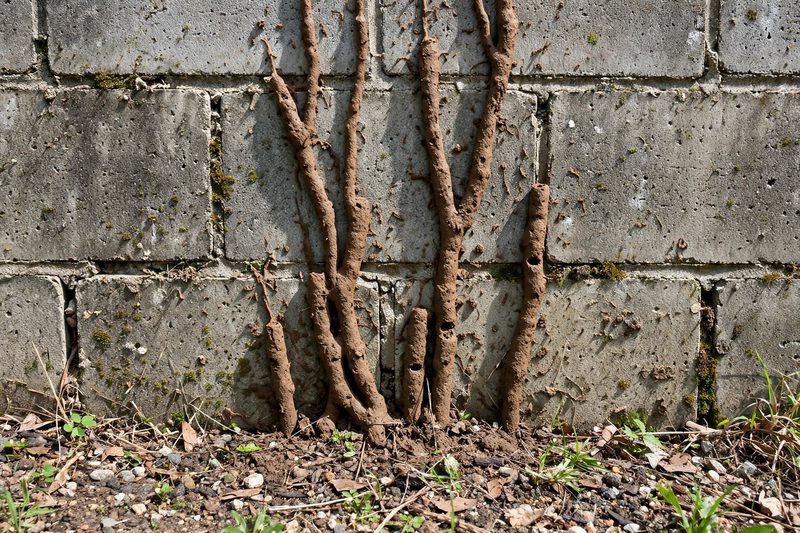
Colonies in the soil that come up into the house through mud tubes. Common in Houston, Tampa Bay and the Phoenix Valley.
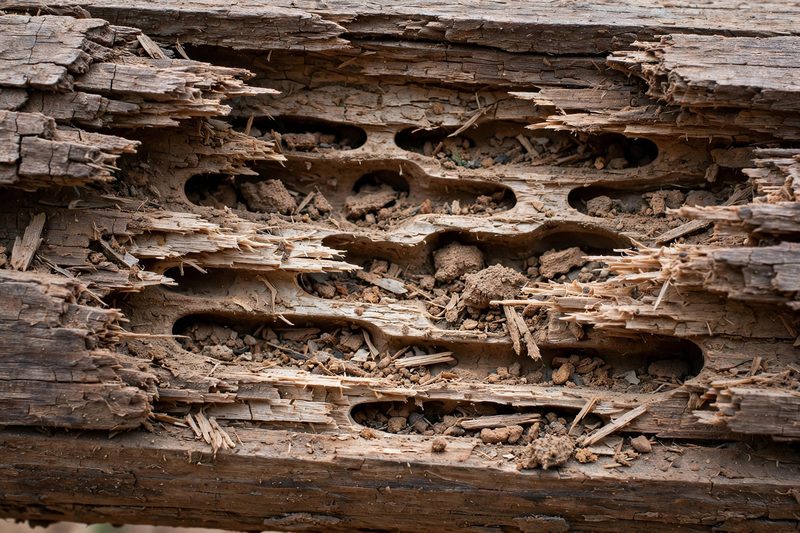
A larger, more aggressive subterranean termite found around Houston and Tampa Bay, often in warm, wet soil near water.
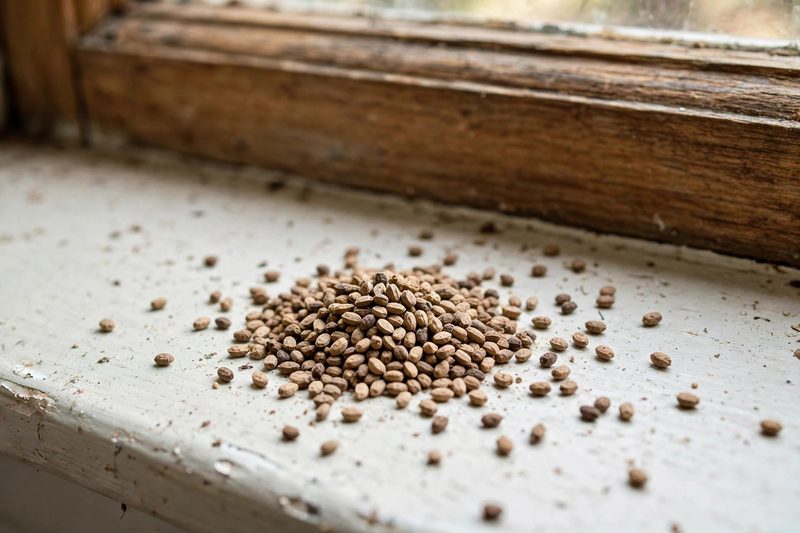
Colonies that live inside the wood itself, common in older coastal homes around St. Petersburg and Clearwater.
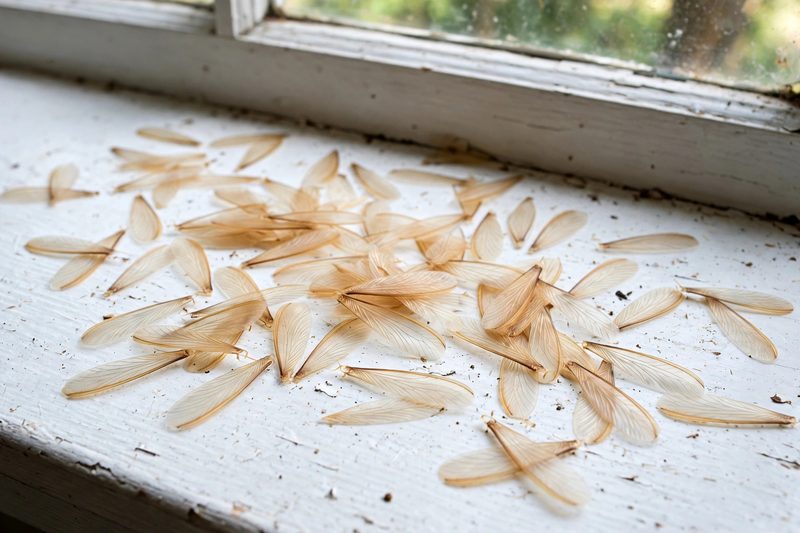
Winged termites at a window in spring usually mean a colony is close. The wings on the sill are the sign people notice first.
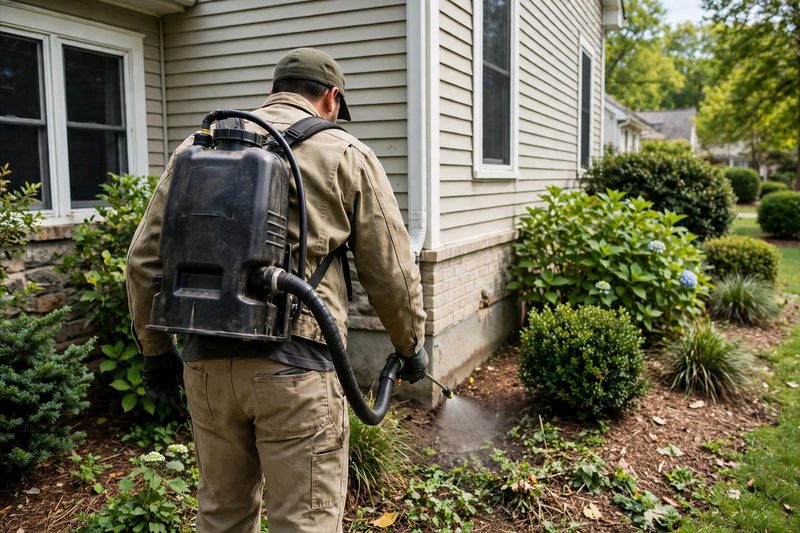
Treatment plans and bait systems are the provider's call after the inspection. Ask what the plan includes and how it is checked over time.
Where the pests are, how long it has been going on, and anything you have already tried. That is enough to start.
The call connects you with a pest control provider who works in your area. Ask them anything about the problem and the treatment.
The provider explains what the visit includes and what it costs. Nothing is booked until you say yes to the price and the time.
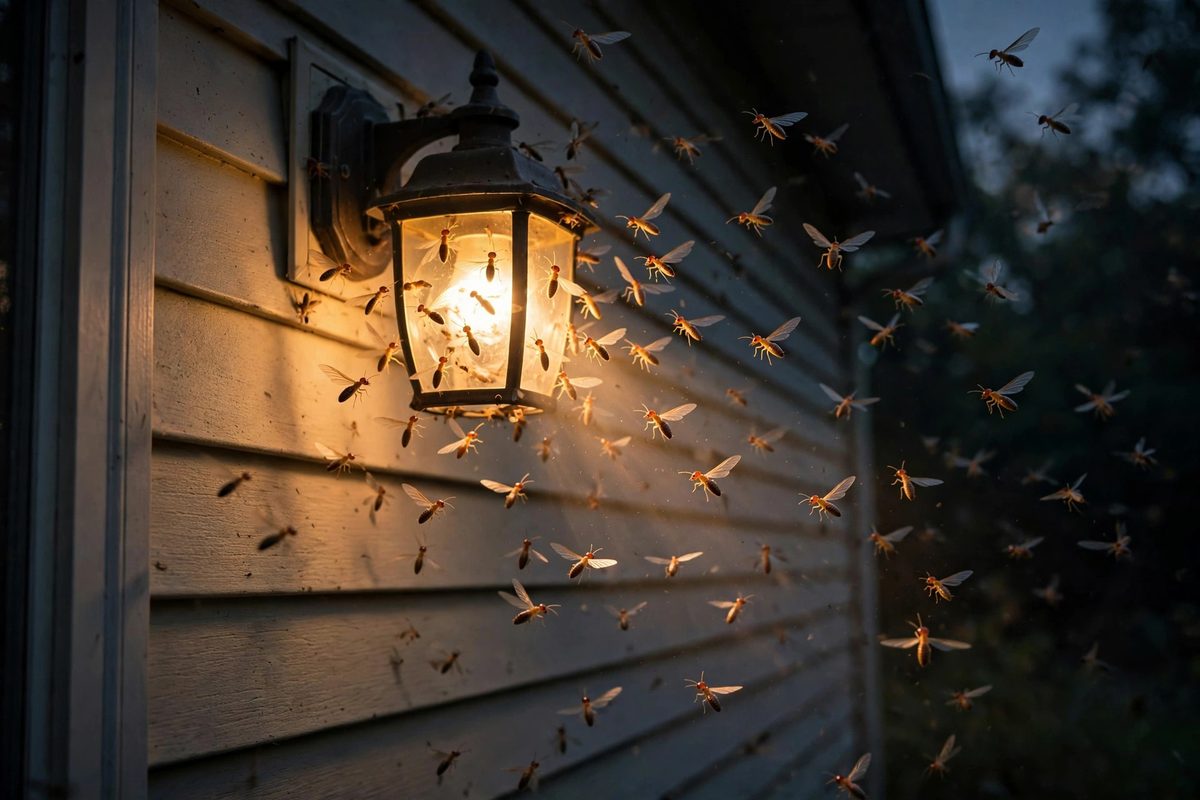
In Houston and Tampa Bay, warm wet soil keeps subterranean termites active most of the year, and Formosan termites add pressure near the bayous and the coast. Swarm season runs through spring, and a pile of wings on a sill after a warm rain is the classic sign. In the Phoenix Valley, desert subterranean termites work in dry soil and show up as mud tubes on stem walls and inside garages, and the treatment is built around the slab and the block fence lines.
Older wood homes carry extra risk in every area: pier and beam houses in Houston, 1920s bungalows in Tampa and St. Petersburg, and older ranch homes in Phoenix. If the house has had water damage or a slow leak, mention it on the call, because wet wood is where termites and other pests both settle in.
Pick your area for the local termite picture, the housing stock and the neighborhoods covered.
Subterranean and Formosan termites in warm, wet soil across the metro.
Desert subterranean termites, mud tubes on stem walls and in garages.
Spring swarms, drywood termites in older coastal homes, palmetto bugs year round.
It depends on the kind of termite, how much of the house is involved and the treatment the inspection points to. A small drywood spot and a full subterranean treatment are very different jobs. The provider inspects first, then explains the price before any work is agreed.
Shed wings on window sills, mud tubes on the foundation or in the garage, wood that sounds hollow, paint that bubbles like water got under it, and piles of pellets that look like coarse sand under wood furniture or trim.
It often is, especially in spring after warm rain. Flying ants look similar, so describe what you found on the call. The provider can tell you what to look for and whether an inspection makes sense.
Usually not. Termites are handled as a separate inspection and treatment. If you call about another pest, ask the provider to look at any termite signs while they are there.
Ask the provider on the call. They can explain what they use, where it goes, and how long to keep kids and pets away from treated areas.
Call now and describe what you found. A termite provider in your area can tell you what it points to and what an inspection would cover.
Call Now (844) 690-4306